- Betsperts Golf
- Posts
- The Cognizant Classic
The Cognizant Classic
They Overseeded a Honda and buried it in Schedule Hell

Andy Molitor
February 25, 2026
A bit of a week off as we have a smaller purse smashed inbetween back-to-back big events on either side. Still some decent golfers here, but the elite will be taking the week off to get ready for the meat of the Florida swing.
Ron goes into more detail in his preview, but the big departure from last week is that course history is much less useful this week, as a decent-sized change in the agronomy greatly affected how it plays. (TL;DR version is that the overseeded rye grass makes it more receptive and less unpredictable than the straight dormant Bermuda. This is much less of a test than it used to be)
PGA National
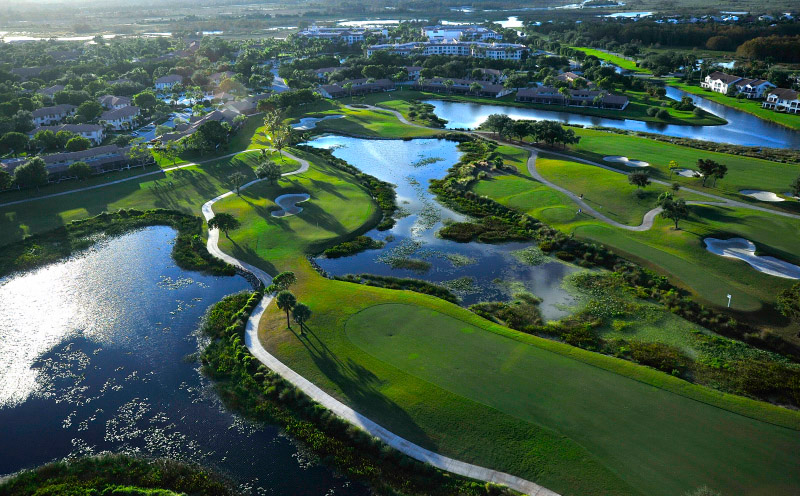
Just a few miles off Florida’s Atlantic coast, halfway between Jupiter and West Palm Beach sits the Champion course at PGA National. It is a prototypical Florida layout and one of the flattest courses on Tour, lacking in significant elevation or architectural flair. With that in mind, much like The Concession Golf Club, Jack Nicklaus injected difficulty and visual drama into the design by incorporating water hazards throughout the course.
Trouble lurks at every turn, as strategic bunkering and 26 water hazards spread across 15 holes define the property. Ten holes feature water in play off the tee, and eight require approach shots that must carry a hazard, placing a premium on precision and disciplined iron play. Over the last five years, players are averaging 0.54 double bogeys or worse per round, the highest on Tour.
Another factor that has traditionally made PGA National one of the more difficult courses on Tour is the prevalence of gusty winds. Nearly every year, at least one or two rounds are played in conditions where winds exceed 20 miles per hour. The breeze not only disrupts ball flight but also firms up and dries out the greens, making approach shots far more difficult to hold. Combining persistent wind with water hazards on so many holes creates the perfect formula for big numbers and scorecards that can unravel quickly.

While the length is short by average standards at just 7,223 yards, it plays much longer with eight par-4s measuring longer than 420 yards. Many of the holes that face directly into the wind will play even longer. The 550-yard par-5 18th hole is a perfect example of this. It plays at a yardage that should be easily reachable in two shots except when the prevailing winds are blowing, which happens more often than not.
As Tommy Fleetwood said a couple of years ago, “The wind is a massive factor all the way around the golf course. I feel like there are so many cross-winds that bring misses off the tee, into the greens, cross-winds affect the putts, and it’s just an all-around very, very difficult test, and it tests everyone. It tests every part of your game.”
Along with the breezy conditions and abundant water hazards, another defining element of the Florida swing is the return to Bermuda grass. While the fairways and 3″ rough (up from 2.5″ last year) are overseeded with rye grass because of the cooler seasonal conditions, the greens remain Bermuda turf.
The putting surfaces are relatively large, averaging roughly 7,000 square feet, and typically run around 12 on the Stimpmeter, placing an added premium on touch and comfort on grainy Bermuda greens.
Model
A true second-shot event, I leaned heavily on the ball-striking this week when building my Rabbit Hole model:
Rolling approach (last 12 months/6 months/2026 only)
Off the Tee Play at “less than driver” stops
Driving Accuracy
Bogey Avoidance
DOUBLE Bogey+ Avoidance
As with any model that doesn’t weigh any short game, Rico hoey flies to the top.

Members can check out the entire ranking here or create their own mixed condition model for the week.
Betting
Still struggling to find outright winners this year, which is always great for your confidence. Still, I’ve been around long enough not to let it get to me, especially on a week where you can find some long shots and play them with confidence.
A mix of ball strikers with form, guys who can’t putt but have a fat price and just some names that I think are slightly undervalued.
OUTRIGHTS
Keefer +4850
Olesen +5000
Meissner +5500
Ghim +9550
Hodges +10000
Ryder +13550
Don’t forget to read Ryan’s weekly write ups as well:
How to Watch
Back to NBC this week… at least for the weekend
TV
Thursday: 2-6 p.m. ET (Golf Channel)
Friday: 2-6 p.m. ET (Golf Channel)
Saturday: 1-3 p.m. ET (Golf Channel); 3-6 p.m. ET (NBC)
Sunday: 1-3 p.m. ET (Golf Channel); 3-6 p.m. ET (NBC)
STREAMING
Thursday: 6:45 a.m.-6 p.m. (ESPN+)
Friday: 6:45 a.m.-6 p.m. (ESPN+)
Saturday: 7:45 a.m.-6 p.m. (ESPN+)
Sunday: 7:45 a.m.-6 p.m. (ESPN+)
Weather
The winds here can be a major factor in scoring, but the weather issues we’ll be seeing are mostly precipitation-related. Florida is like this sometimes, though. It may not affect play at all, and could just see some evening showers that further soften an already receptive course and actually help scoring.
Possibly a slight advantage for the PM/AM group, but not enough that I’m doing anything about it.

News and Notes
JT: back next week
This has me worried that Scottie has another 15 years of dominant play
And finally a little Arnie a week ahead of his event.
As always, bet responsibly, have fun, and try to keep your balls dry.
Twitter | YouTube | Website | The Rabbit Hole